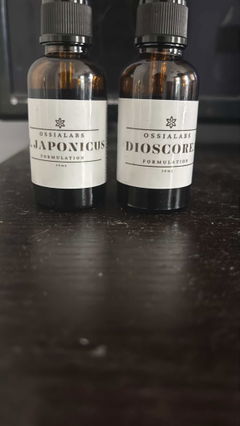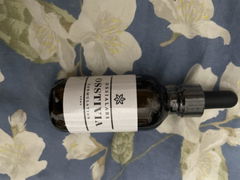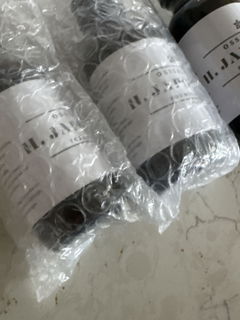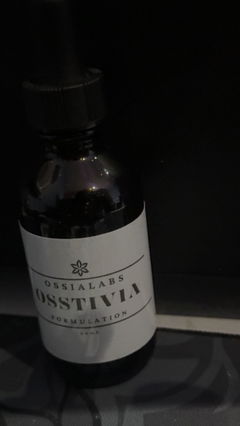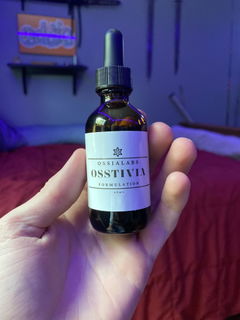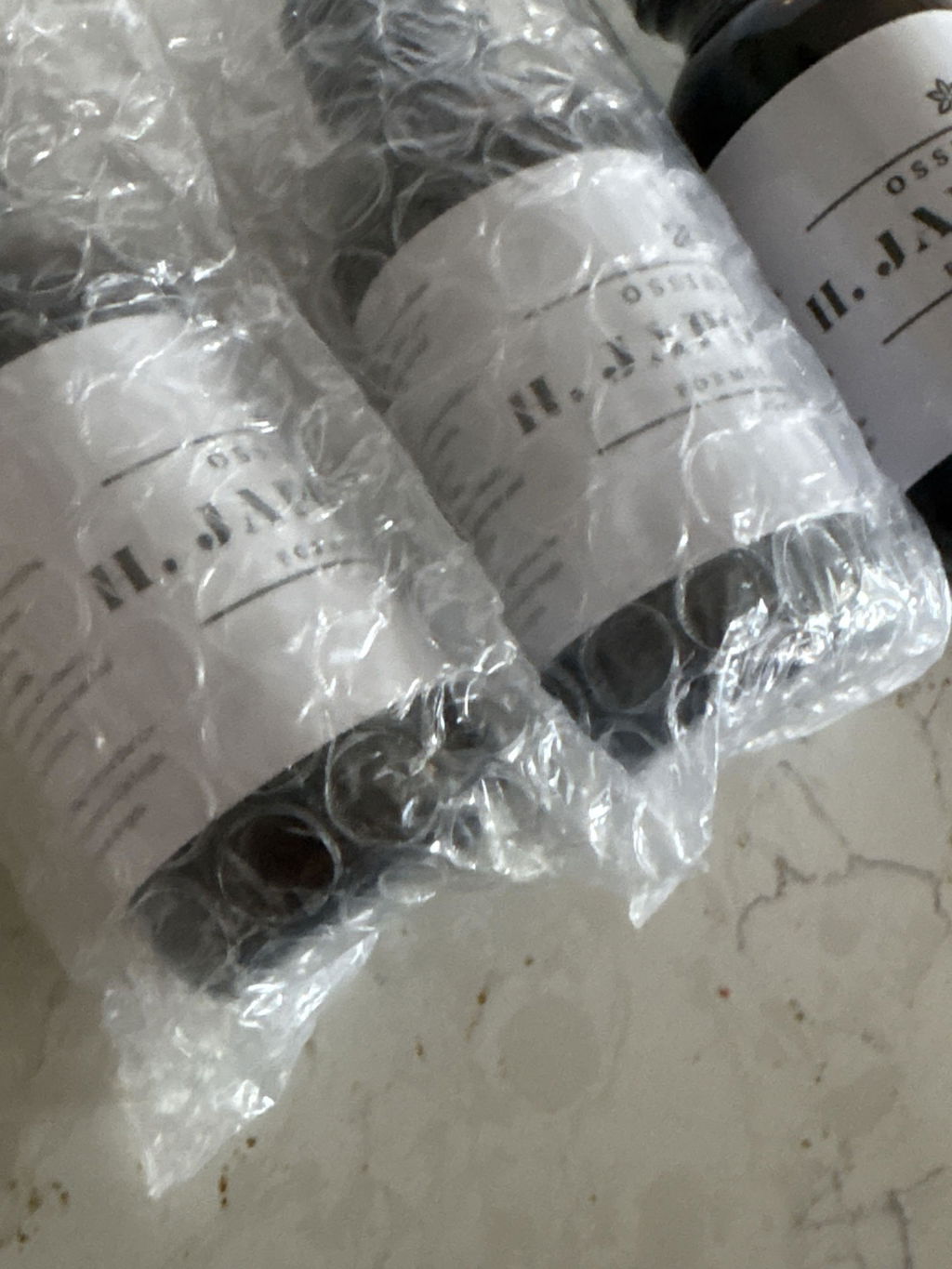
Humulus Japonicus SNEDDS
Humulus japonicus extract has been studied in relation to longitudinal bone growth measurements, IGF-1/JAK2/STAT5 signaling, bone microarchitecture, and several additional biological endpoints. This formulation uses a Self-Nanoemulsifying Dietary Delivery System (SNEDDS); the sections below summarize the formulation research and cited experimental findings.
SNEDDS Formulation Research
SNEDDS research evaluates how lipid-based formulations affect dispersion, dissolution, intestinal transport, and exposure to first-pass metabolism for lipophilic botanical compounds. Click the boxes below to expand details.
Formulation Characteristics
In gastrointestinal fluid, SNEDDS forms fine lipid droplets that increase interfacial surface area. Pharmacokinetic research measures changes in dispersion, permeability, and systemic exposure relative to conventional botanical preparations.
Comparison With Powders
The cited formulation research compares raw or dry powder extracts with pre-formulated lipid delivery systems using dissolution, dispersion, permeability, and bioavailability measurements.
SNEDDS Permeation Models


Preclinical Bone Growth Research
Recent Preclinical Research. The cited 2020 and 2025 rat studies measured longitudinal bone growth rate, femur and tibia length, growth plate histology, bone microarchitecture, and IGF-1-related signaling after H. japonicus exposure.
Study Conditions. The cited bone growth experiments used growing rat models, defined dose groups, and specified treatment periods. Outcomes were analyzed across those experimental groups.
Pathway Measurements
The studies measured IGF-1 and growth hormone related markers together with JAK2/STAT5/IGF-1 pathway activity and skeletal endpoints.
Study Data and Patent Reference
In the cited controlled studies, investigators compared longitudinal bone growth rate, femur and tibia length, and micro-CT trabecular measurements across dose groups and a growth hormone control group. The page also lists U.S. Patent Application No. 18/456,888, which describes a Humulus japonicus composition for height growth applications.
Growth Stage Variables
The cited preclinical studies recorded age and growth stage as experimental variables when evaluating longitudinal bone growth outcomes.
Additional Research Areas
Additional studies of Humulus japonicus report measurements related to oxidative stress signaling, inflammatory pathways, respiratory endpoints, microbial activity, metabolism, gastrointestinal physiology, and tyrosinase activity.
AMPK/SIRT1 and Oxidative Stress Markers
Sung et al. (2015) measured AMPK/SIRT1 pathway activity and oxidative stress related endpoints in its experimental model.
Inflammatory Signaling Research
Studies of Humulus japonicus flavonoids and phenolic compounds report cytokine and inflammatory pathway measurements.
Bioactive Compound Research
The cited literature examines respiratory, neurological, liver, antimicrobial, metabolic, gastrointestinal, and tyrosinase related endpoints. The SNEDDS section separately summarizes formulation measurements relevant to delivery of lipophilic compounds.
Sleep Related Endpoints
Respiratory Endpoints
Inflammatory Signaling
Oxidative Stress Markers
Neurological Endpoints
Liver Related Endpoints
AMPK/SIRT1 Markers
Bone Growth Measurements
Care, Usage, and Formulation
Do NOT:
Do not refrigerate. Do not place near the sun or in super warm liquids. Do NOT shake if the product is already diluted.
You CAN:
Take Japonicus by itself or put it in water to drink. You can drink other beverages before or after taking it.
Timing
Use the labeled serving directions and a consistent measurement routine.
Taste Profile
The formulation contains no sugary flavoring. Taste responses vary, particularly with the formulation excipients.
Measurement and Serving Guide
Measurement Guide. The marked dropper measures the serving in milliliters. The labeled range shown on this page begins at 0.5 mL and extends to 2.0 mL.
How long will your bottle last?
| Daily Dose | 30mL Bottle | 60mL Bottle |
|---|---|---|
| 0.5 mL (Low) | 2 Months | 4 Months |
| 1.0 mL | 1 Month | 2 Months |
| 1.5 mL | 20 Days | 40 Days |
| 2.0 mL (Max) | 2 Weeks | 1 Month |
Note: 10 drops is approximately 0.5 mL. Max recommended dose is 2mL per day.
Research References
- Kim OK, Yun JM, Lee M, Park SJ, Kim D, Oh DH, Kim HS, Kim GY. A Mixture of Humulus japonicus Increases Longitudinal Bone Growth Rate in Sprague-Dawley Rats. Nutrients. 2020 Aug 28;12(9):2625.
- Park SH, Park J, Yoo JY, Kim HS, Lee M, Kim OK. Humulus japonicus Enhances Bone Growth and Microarchitecture in Rats: Potential Involvement of IGF-1 Signaling. J Med Food. 2025 Jun;28(6):542-552.
- Kim, O. K., et al. (2023). Food composition for promoting height growth and pharmaceutical composition for promoting height growth including Humulus japonicus extract. U.S. Patent Application No. 18/456,888. Washington, DC: U.S. Patent and Trademark Office.
- Sung B, Chung JW, Bae HR, Choi JS, Kim CM, Kim ND. Humulus japonicus extract exhibits antioxidative and anti-aging effects via modulation of the AMPK-SIRT1 pathway. Exp Ther Med. 2015 May;9(5):1819-1826. doi: 10.3892/etm.2015.2302. Epub 2015 Feb 17. PMID: 26136899; PMCID: PMC4471809.
© Ossialabs Advanced Research Formulations.
Statements have not been evaluated by the FDA. Not intended to diagnose, treat, cure, or prevent any disease.